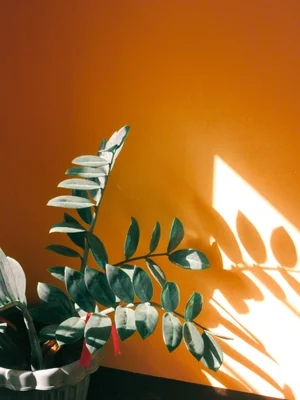
Light for Better Wellbeing
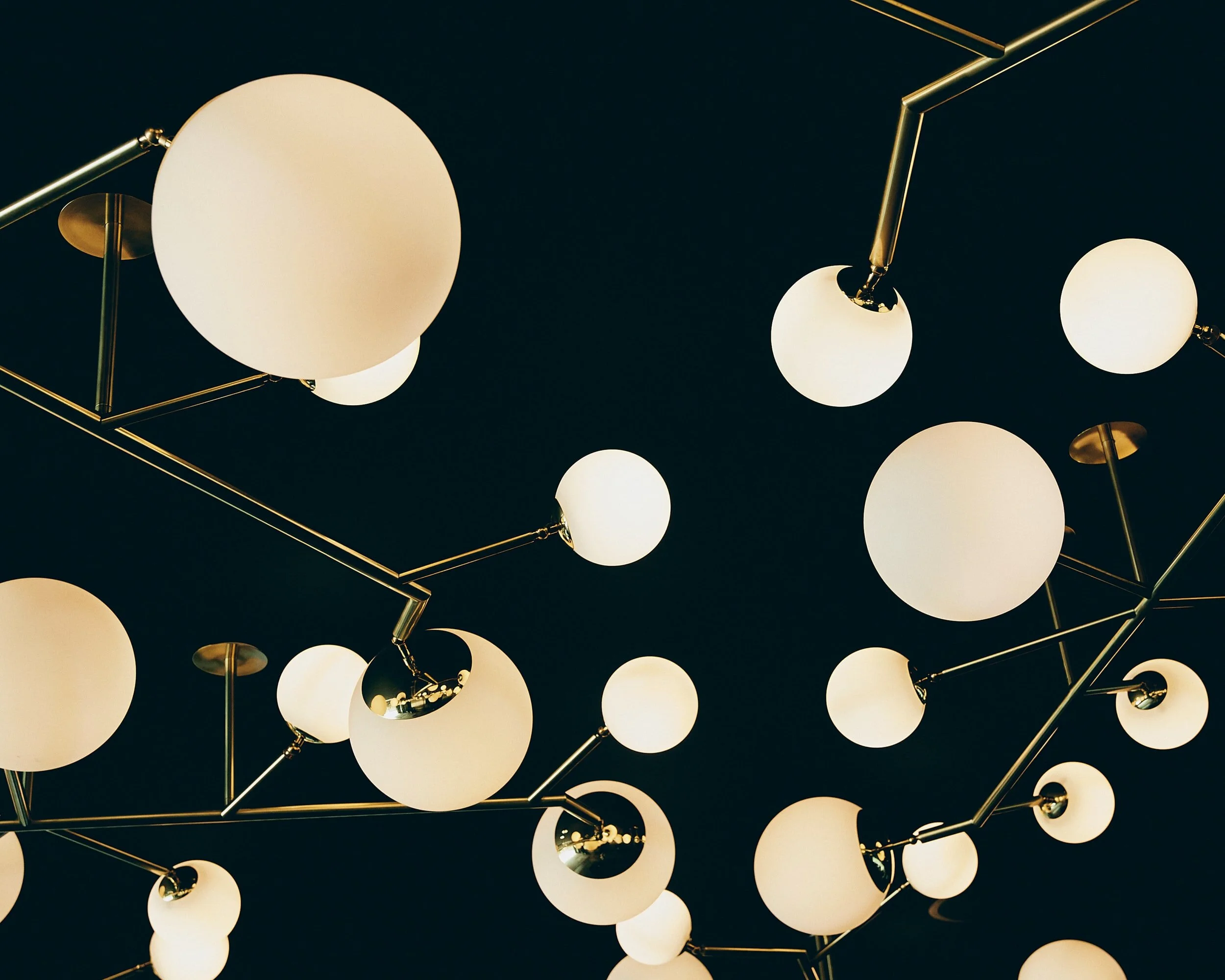
From the morning rays that enter through the curtains of our bedroom to the piercing lights found in the aisle of a local grocery store — light, no matter artificial or natural, impacts our well-being greatly!
Light works as a cue for our body to regulate its internal clock, known as the circadian rhythm. At dawn, it makes us feel energized and alert; at dusk, the dimming of lighting is recognized as a signal to sleep. We're naturally designed to stay awake in bright light and feel sleepy in dim light.
Receiving proper light at the appropriate time of the day improves productivity, mood, sleep patterns, alertness, and many aspects of human physiology. A jet lag is a perfect example of understanding why keeping our circadian rhythm in sync is important.
Modern environments and artificial lighting can play havoc with the natural responses of our bodies. This can affect us in several ways. The good news is there are many things we can do with home lighting to help ward off those blues and create a positive ambiance, whatever the weather!
Color Temperature and Mood
It's not just the amount of light that affects our mood and behavior – the 'color temperature' or tone of the light is also important.
Color temperature is measured in degrees Kelvin (K). At the higher end of the scale (above 5000 K) are 'cool' blue and white lights, which are brighter and more stimulating – so they help us accomplish tasks while feeling productive. Meanwhile, at the lower end (under around 3000 K), you'll find the 'warmer' yellow tones, which are softer and help us feel relaxed and calm.
Experts recommend that we should try to simulate levels of natural light as much as possible. So while you'll need stronger and brighter lighting during the daytime to help you concentrate and accomplish tasks, when it's time to kick back and relax, you need to switch to a lower level, a more atmospheric form of lighting.
Layering lights for the right mood
Rooms like kitchens and living rooms are usually multifunctional spaces. You'll use a combination of lighting to create the proper mood for various tasks and at different times of the day. This is often referred to as 'layering' lighting.
There are three main types of lighting: ambient lighting, which refers to the overall level of light in a room; accent lighting, which can highlight features in a room and help to create a particular mood; task lighting, which helps you to carry out specific tasks.
By finding the correct balance of ambient, accent, and task lighting, you can create a range of different moods to affect your well-being positively.
Lighting where you need it
It's important to have access to plenty of quality light where you need it, whether you're preparing dinner, having a house party, or working from home.
Adjustable spotlights and pendant lights will provide plenty of bright ambient light for a practical room like a kitchen. Targeted task lighting over the kitchen's countertops will help in cooking and food preparation. A row of suspended pendant lighting above the island will look fantastic and provide effective task lighting.
The living room is another multipurpose area that you might use for a whole range of purposes, such as watching TV, reading, doing homework, or entertaining friends. In this space, you will need enough ambient light during the day.
You can maximize any natural light coming from the patio doors or windows by rightly placing mirrors in your home. Mirrors through reflection amplify the natural light in your living room. Pendant light and chandeliers are the other primary sources of ambient light in your living room. Supplement these with some table lamps or wall lights to add depth to the atmosphere.
Lighting for coziness
Blue light is excellent in helping us be more productive and efficient, but too much exposure can make us feel overexcited and stressed; as it disturbs the wake-sleep cycle of the body and generally affects our well-being negatively.
It's essential to try to relax our body and mind; do so by turning down the lighting of your living room as the evening approaches. Using low-level yellow lighting with a combination of wall sconces and lamps can create a cozy vibe in the room that will make you calm and relax. It's well worth investing in a dimmer so that you can adjust the lighting to create exactly the right mood. You can also add some accent lighting such as wall or shelf lights to add a sense of warmth and intimacy.
Our bedrooms also need a warm, relaxing, and tranquil environment. Ceiling lights such as chandeliers or pendants usually provide ambient lighting. For areas such as the dressing table, where you need more focus, use a low hanging pendant light or a lamp. For a more soft and warm glow, use bedside lamps. All these lighting tips and techniques will help cozy up your room for you to sleep with ease.
Light significantly impacts our mood and circadian rhythms. If you constantly feel tired and exhausted and have trouble sleeping, it could be due to lack of exposure to certain lights or overexposure to others.
With an expert's advice, you can make sure that your home receives a proper amount of natural light with a perfect balance of artificial and natural lights, which will benefit your family's well-being. While a professional will ensure that the amount of light in your home increases; they will also make sure that this increase in light will occur in high-traffic and commonly-used spaces. As a result, you'll have a beautiful and functional home, which will positively affect your health and overall well-being.