Pure Clean Air

Air Purifiers' market is expected to grow at a CAGR of approximately 8.2% during the forecast period of 2020 – 2025. Factors such as increasing airborne diseases and growing health consciousness among consumers are driving the market. Air pollution from industries is constantly emerging as a big threat to humans' health and the environment. In recent years, the air purifier market has witnessed a rise in demand fueled by the degrading air quality and increasing concerns about health issues.
It's easy to be overwhelmed by all the various types of air purification strategies. So many emerging trends and approaches exist. We might wonder what works, which is trustworthy, and what is best suited to our needs.
The holistic design approach could be an answer to our air quality issues. A holistic design, often referred to as wellness design, is a design approach primarily concerned with space's overall well-being. Holistic designers use their skills to create an environment that works well, looks amazing, and makes the inhabitants healthier.
Indoor air purification
The quality of air that we breathe has a huge effect on our health. Outdoor air has been related to causing lung cancer, heart disease, and strokes. But one thing that we tend to ignore is the air quality of indoor spaces, which is generally much more contaminated than the air outside. We spend most of our time in indoor spaces, either living or working, which makes it necessary to put the focus on cleaning the air.
The important elements that influence indoor air quality are the architecture of the building, physical structure, mechanical structures, and equipment used in the space.
Buildings in the developing world are usually designed by only considering the architecture's visual beauty rather than the holistic approach, which deals with form and function together. This leads to problems like indoor air emissions, which cause an increase in health issues and illnesses while decreasing our efficiency due to discomfort. A holistically designed space can solve all the air-related issues and much more, along with making your home more comfortable to live in.
How to purify the indoor air
All our everyday use products like shampoos, shaving creams, glues, insecticides, and even paint on our walls contains chemicals and toxins like formaldehyde that are harmful to us. Everything keeps collecting dust, from furniture to mattresses, which pollutes our air and causes many respiratory disorders. Through a holistic approach, experts create a consciously designed structure that, along with being beautiful, also positively affects inhabitants' wellness. The strategically placed windows, proper ventilation, and use of different products help clean our homes' air.
The trending organic products that are used in a holistic approach to purify our indoor air include:
Beeswax Candles
Beeswax candles are natural air purifiers. These candles have the ability to ionize the air and neutralize toxins by burning slowly with almost no smoke and scent. They are especially helpful for asthmatics because they remove common allergens like dust from the air.
Salt Lamps
A salt lamp is a great natural air purifier. Products made of salt crystal in our homes reduce airborne irritants, allergens, and pathogens by absorbing water vapors from the air. Himalayan pink salt has a good name in natural ionic air purifiers. It pulls the toxins from the air we breathe and neutralizes them. Incorporating a Himalayan salt lamp near your desk at the office or in your room beautifies the place and purifies the air.
Activated Charcoal
Activated charcoal is a fantastic way to purify indoor air. Simply put it somewhere in your house; this odorless and highly absorptive air purifier will magically eliminate the toxins. You can also use bamboo charcoal; it's a proven air purifier used to improve the air quality of homes.
Houseplants
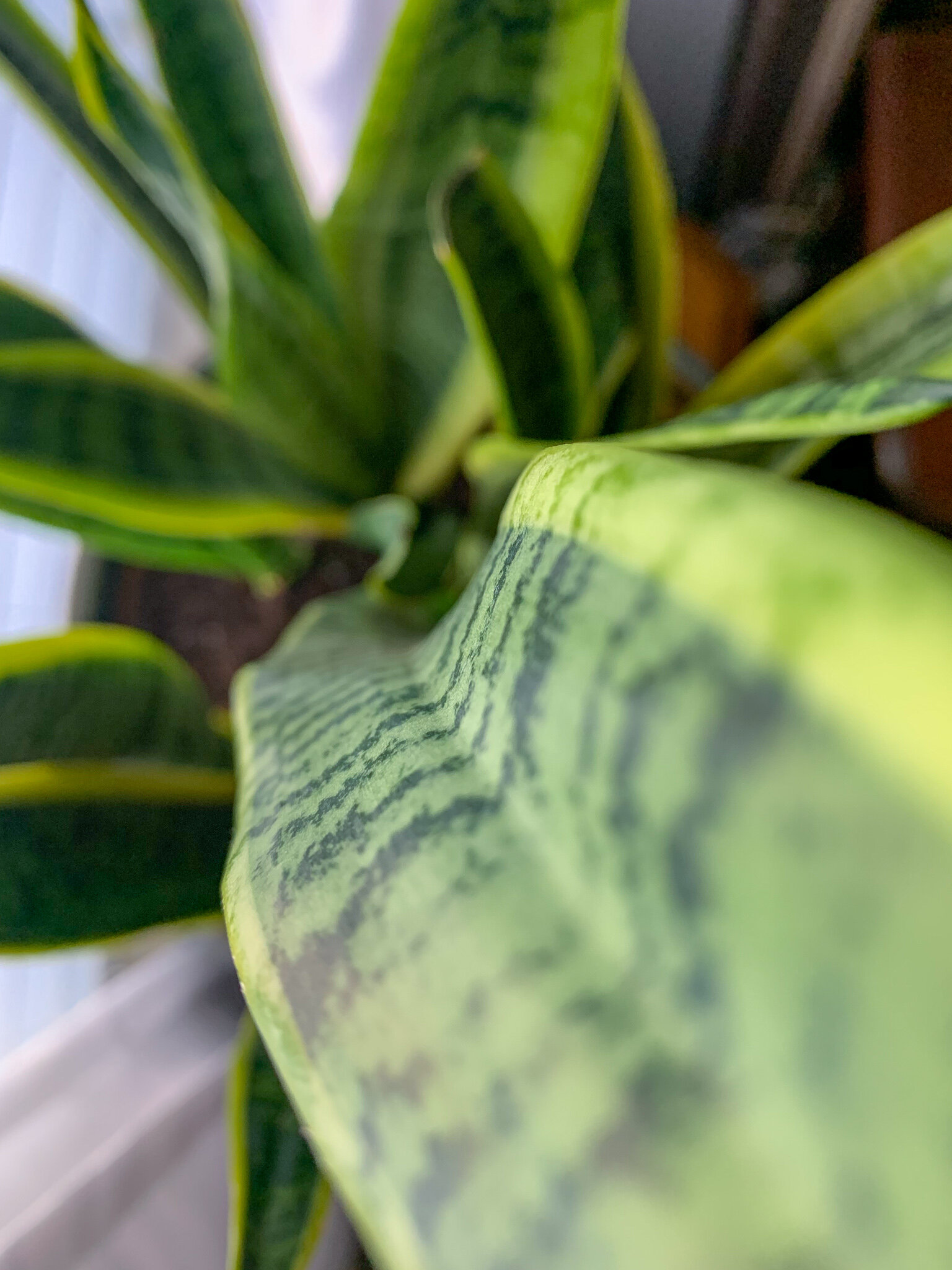
Houseplant protects us from toxins like formaldehyde, benzene, and ammonia by purifying and rejuvenating the air of our working and living spaces. It's suggested to have one plant per 100 sq ft for efficient air cleaning. A few examples of plants that purify our indoor air are Peace lily and Lady Palm. Peace lily prefers moderate light while Lady Palm likes bright indirect light to flourish.
Essential Oils
In the presence of essential oils like oregano, cinnamon, grapefruit, thyme, clove, tea tree, and lemon - fungi, bacteria, molds, and viruses cannot survive. Research on Thieves oil proved that it could kill 99.96% of airborne bacteria. Thieves oil is a blend of different essential oils, including cinnamon, thyme, lemon, pine needles, grapefruit, and eucalyptus, which purifies the air by killing all kinds of bacteria.
The easiest way to improve air quality would be to reduce the pollutants emitted from the sources, which is almost impossible! The serious impact of these pollutants on human health requires a more holistic approach to improving air quality. It is important that we take serious actions architecturally, design-wise, and by using different air, purification approaches to improve air quality in our homes. Clean breathing air in our homes is fundamental for our health and well-being, and a holistically designed home makes it possible for us to breathe fresh air.