Self Care is Mental Health
Mental health problems no longer carry the stigma that they once did. Numerous new research and awareness campaigns have helped us understand the brain and how the design of our interior spaces affects its health. The design industry has also learned how huge an impact physical environments have on the sustainability of inhabitants' mental health, especially when it is observed that we spend most of our time indoors.
We've moved away from focusing only on security, safety, and seclusion to designing welcoming, holistic environments that promote and sustain emotional, physical, and psychological well-being. This means by implementing biophilic practices creating a well-designed healing space that is much more than just 4 walls to live in.
We can do many things with our interiors to have a positive effect on our minds. Below is a list of a few things that we can implement in our homes to transform them into more productive and calming spaces.
Nature and mental well-being
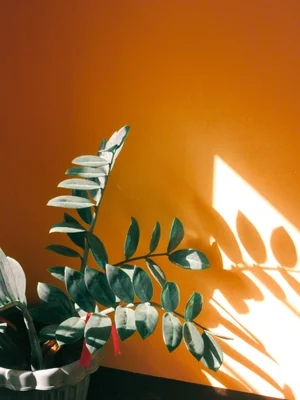
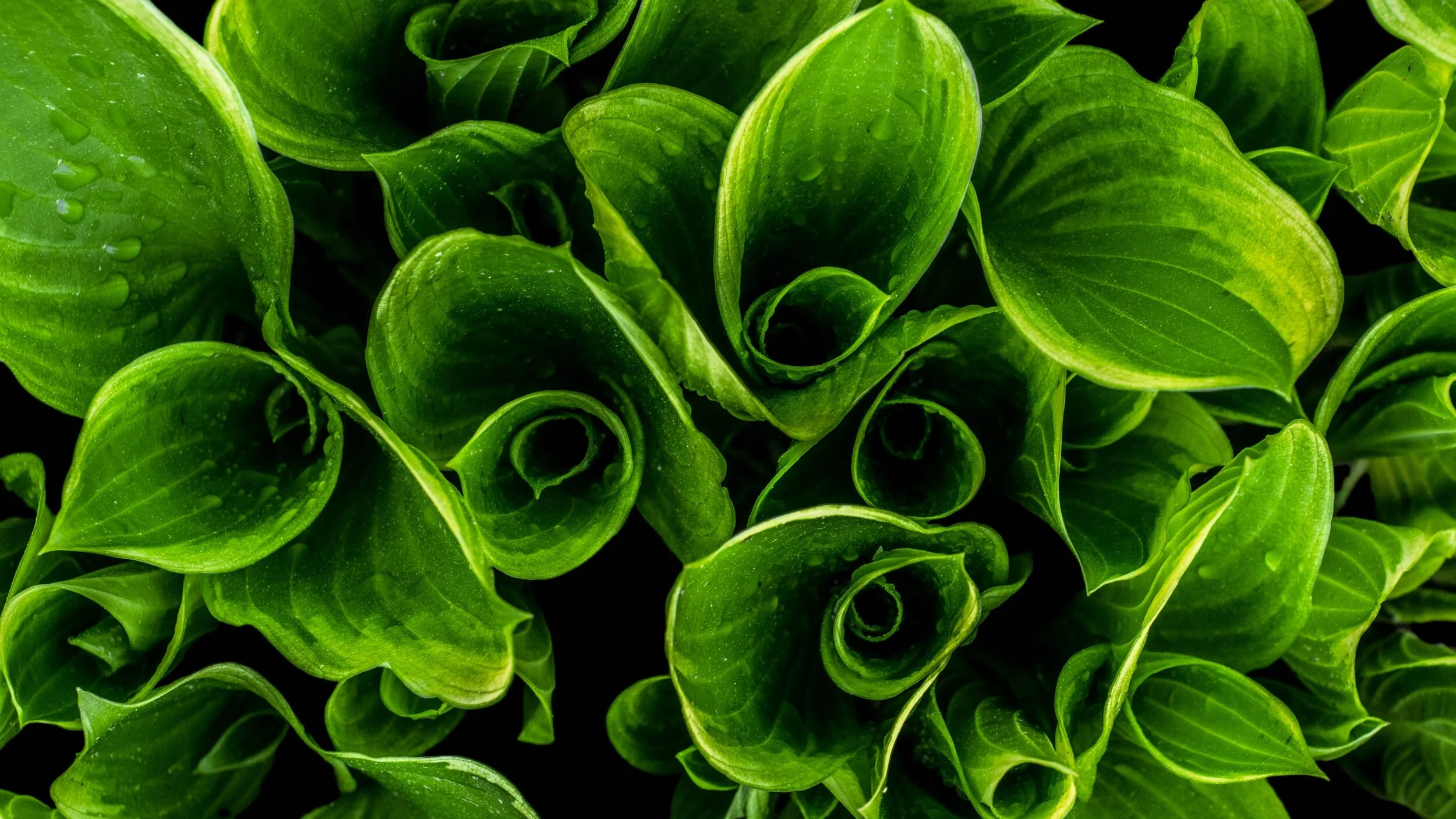
Humans aren't suited to being inside for so long. Our ancestors were more connected with nature, and the longing of modern humans for plants and natural interior design taps into the primitive aspects of our DNA. Design practices like biophilia are known for their effect on improving and sustaining our mental health. Various researches have shown that plants help minimize anxiety and stress levels. Having plants in our homes or offices can even boost our cognitive ability.
Along with improving our mental health, plants add a touch of color and texture to our spaces. Through strategic placements of plants, we can also make an area appear larger and spacious. Other natural things, such as wooden furniture and flooring, tend to produce a calming effect by making a room feel more comfortable and warmer.
Color psychology and mental health
The basic principles of color psychology are short-wavelength colors, like greens, purples, and blues, are soothing and long-wavelength colors, like yellows, reds, and oranges, are stimulating. White can add highlights or create a sense of space. Experts often use white to make space look bigger and spacious.
Yellow and orange are used in homes to create a sense of happiness, energy, and warmth. Red is usually not recommended in interior design because it can increase anxiety and appear hostile when used as the main color. But you can use it in a smaller amount as an accent color to raise a room's energy. Usually, in bedrooms, blue hues are used because they are linked with calmness and serenity. Green represents nature, and it gives a peaceful and calming feeling. Whereas purple signifies wealth and royalty, and pink is a symbol of kindness and romance.
We should use colors in a room that will maximize the room's purpose while sustaining mental health—like, using green in your home office promotes concentration and keeps you calm.
Self-Care for mental well-being
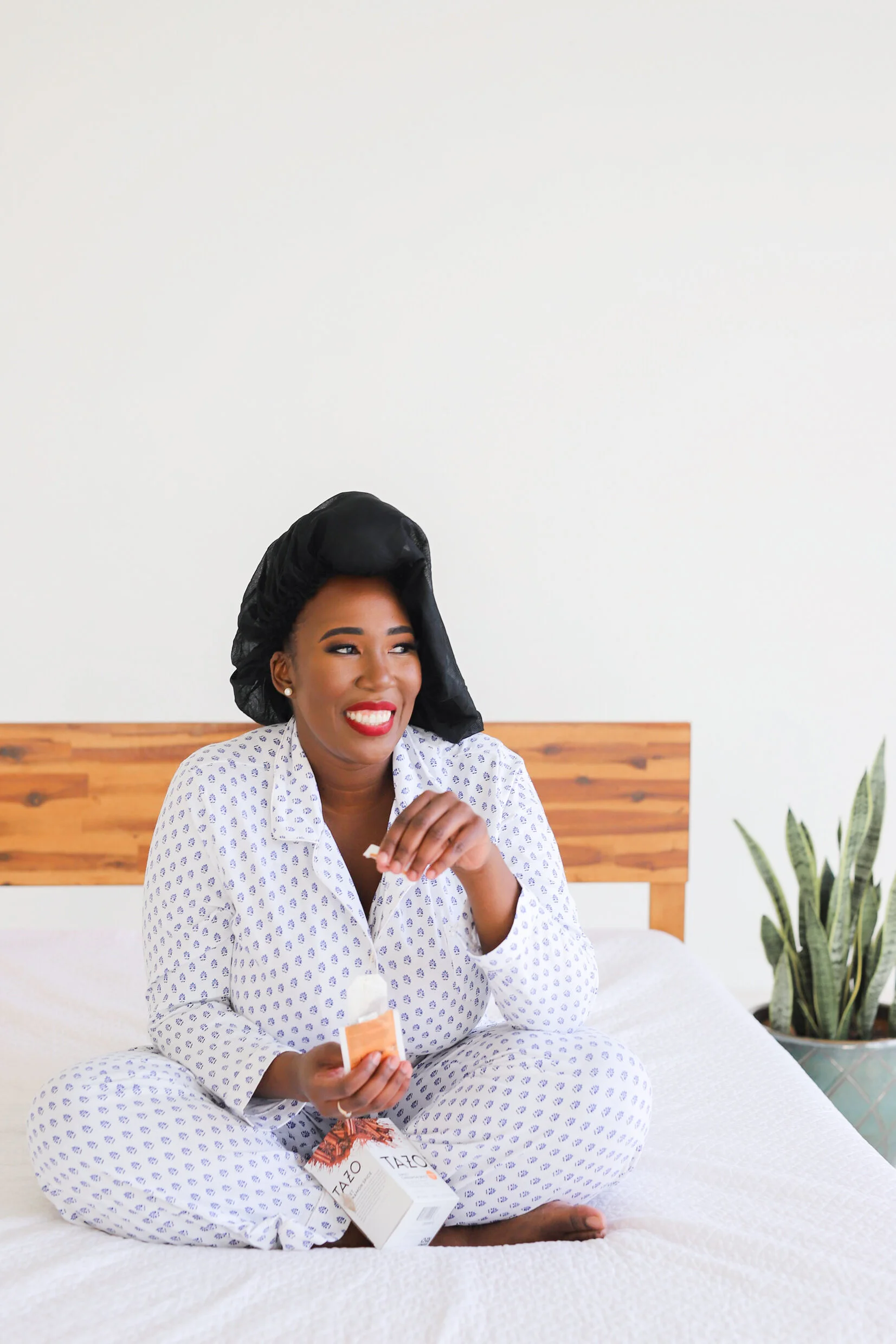
Self-care includes anything that you do for your well-being. It's about taking action before your resources run low or your energy completely drains out. There are numerous things that you can do in your home to promote self-care. Have a spare room in your home? Turn it into a yoga studio or a library. Don't have a room? Just turn any spare nook into a meditation or reading station. Time spent on meditation and reading practices unwind all the stresses and help us sustain our mental health.
Recently, turning bathrooms into a personal sanctuary for self-care have become a top trend in Zen or spa-inspired décor. The addition of a few things like fresh flowers, candles, essential oils, recessed lighting, and relaxing music can turn your regular bathroom into a serene place, where you'll like to spend more time while feeling relaxed.
Space and Balance
Attaining balance is an integral part of life! Filling your space with stuff is easy without considering the balance. But it'll look unorganized, exhausted, and you will not feel fresh in it. When decorating your home, it's vital to balance the furniture and décor up to space.
Give attention to the details and check how your surrounding is affecting your mental health. Working in a cluttered and unorganized space will drain your energy more quickly and also make you feel less productive than a managed and consciously designed space. With little adjustments, you can turn your home into a calming and comforting space.
There's no one-size-fits-all approach to improving our mental health. What works for one person might not work for another. However, there's no denying that happiness begins at home, and an interior consciously designed to boost your mental health could have great implications for your everyday life. If you are really struggling with your interior design, you can always take the assistance of an expert wellness interior designer; they'll look into your and your family's individual needs to design a space that will help sustain your mental health.